

















You’ve probably used countless pens in your life, but have you ever stopped to consider the fascinating engineering and distinct characteristics that make each one unique? It’s more than just a tool for putting ink on paper; it’s an extension of your thoughts, a conduit for your creativity, and sometimes, a trusty companion through countless tasks. When faced with a dizzying array of options, understanding the fundamental differences between ballpoint, gel, and rollerball pens can transform your writing experience from mundane to magnificent.
Why Pens Still Matter in a Digital World
Despite tablets, laptops, and styluses, pens remain indispensable. Handwritten notes improve memory retention, and many professionals still rely on physical documents, planners, and forms. Even alongside a mechanical pencil or a highlighter, a good pen provides permanence and confidence that digital tools cannot always replicate.
For many users, finding the right pen means writing with less pressure, experiencing smooth writing, and trusting that the ink won’t smudge or fade over time.
Understanding the Core Differences Between a Ballpoint or Gel Pen (and Rollerball)
At the heart of every pen is a simple mechanism: a tiny ball at the tip that dispenses ink as it rolls across the paper. What truly sets ballpoint, gel, and rollerball pens apart isn’t this fundamental principle, but rather the ink itself and how that ink interacts with the ball and the paper. Think of it like different types of paint; each has its own viscosity, drying time, and finish, all impacting the final artwork.
Ballpoint Pen
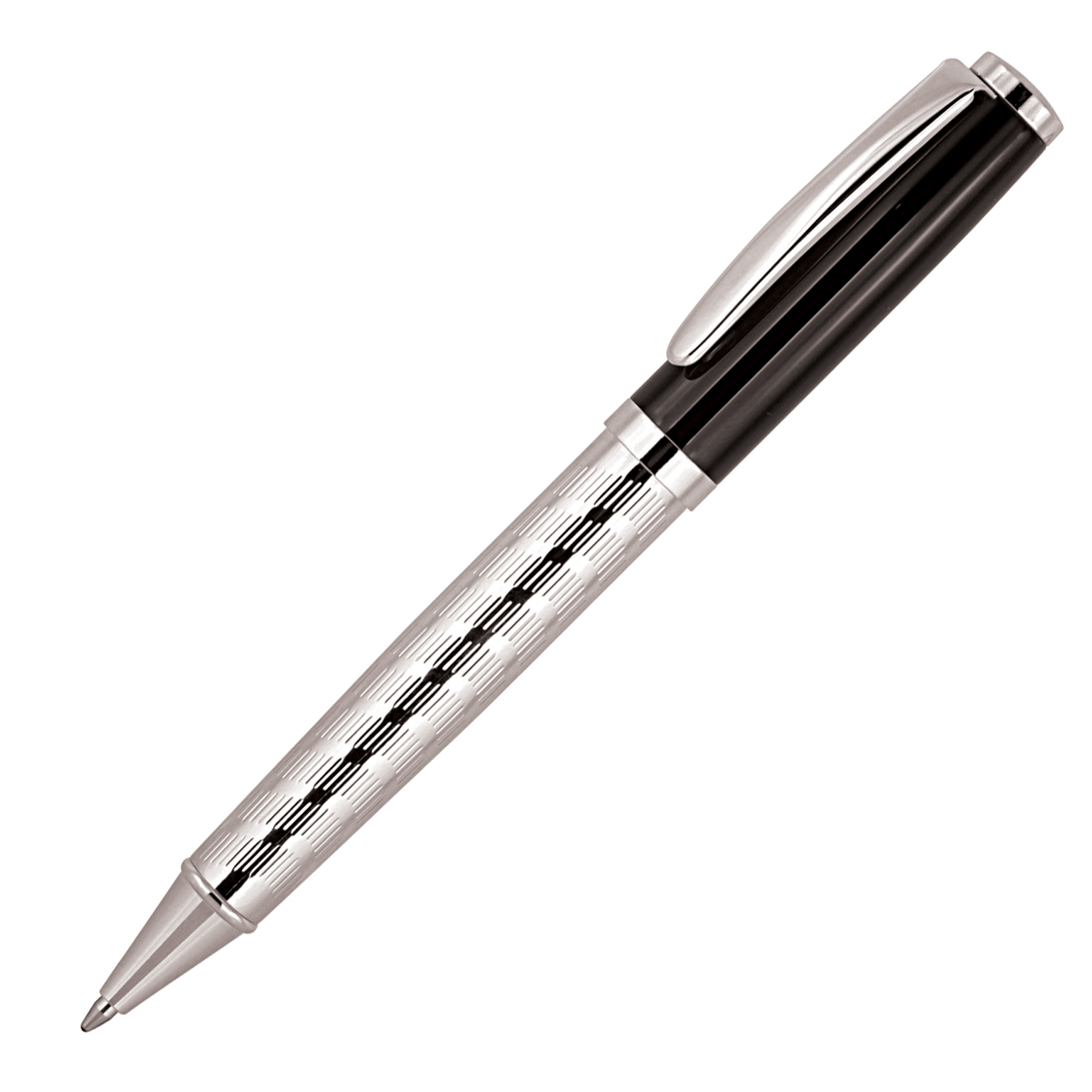
The ballpoint pen is arguably the most common and recognisable writing instrument globally. Patented by László Bíró in 1938, its invention revolutionised writing. Its genius lies in oil-based ink made with carefully formulated solvents and pigments, creating a thick, water-resistant formula that dries quickly and reduces smudging. A single refill can write for an astonishing distance, making it economical and long-lasting, perfect for branded products and corporate giveaways.
While its viscosity means you may need to apply slightly more pressure than with other pen types, the ballpoint delivers consistent, precise lines every time. Its refillable design and practicality make it a best-seller in promotional pens, office supplies, and everyday stationery, proving that reliability and durability often trump flashiness. The ballpoint is the dependable workhorse of the pen world, unassuming, practical, and built to last.
Gel Pen
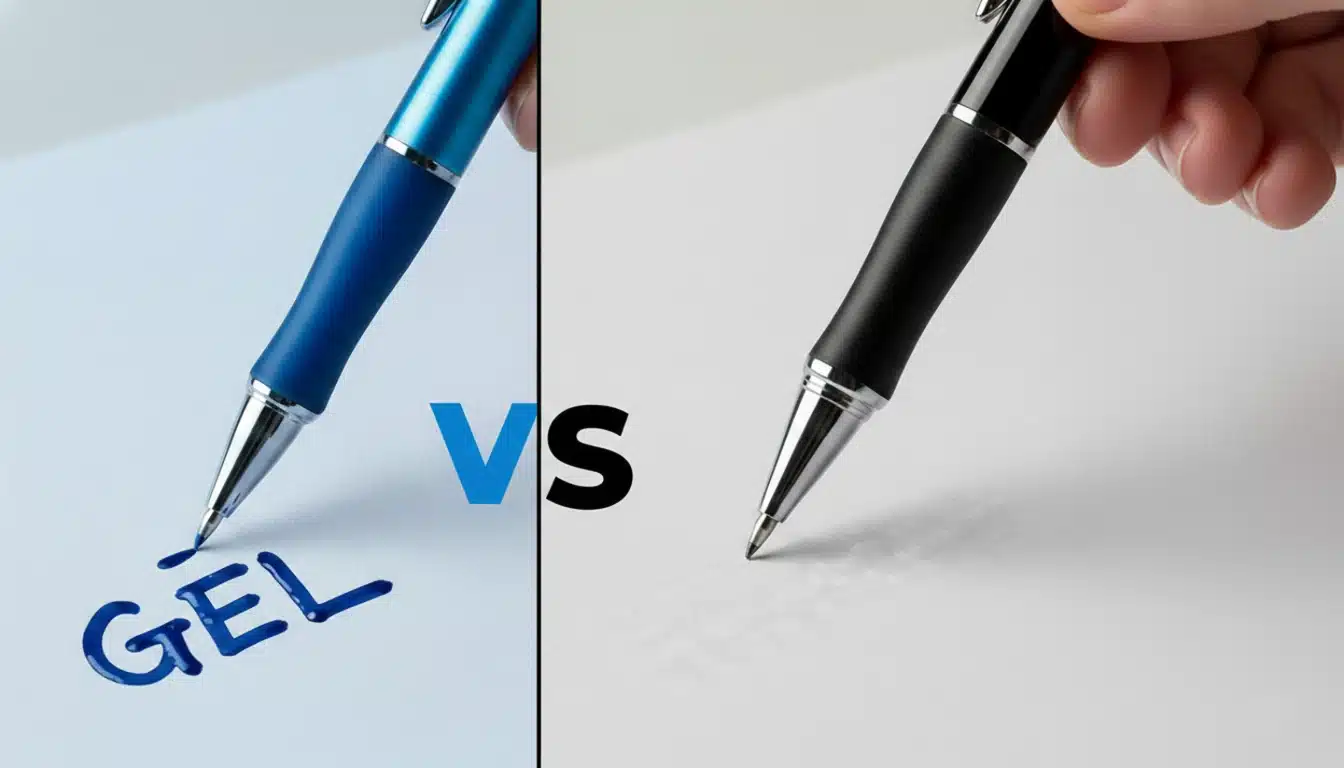
If the ballpoint is the workhorse, the gel ink pen is the vibrant artist. Emerging in the 1980s, gel pens brought a new level of expression to everyday writing. Their defining characteristic is water-based gel ink, which is significantly thicker than rollerball ink but less viscous than ballpoint ink. This gel-like consistency allows for smooth ink flow and richer colour payoff, making every stroke feel effortless.
A Deeper Dive into Gel Technology
The secret to a gel pen’s brilliance lies in its thixotropic ink. This fancy term simply means the ink changes its viscosity when agitated. When the pen is at rest, the ink is thick, preventing leaks and smudges in the barrel. But when the ball at the tip starts rolling, the shearing force thins the ink, allowing it to flow freely and smoothly onto the paper. As soon as the pen lifts, the ink quickly returns to its gel state, helping it dry faster than a rollerball.
Gel pens produce incredibly vivid, opaque lines that stand out beautifully, even on darker papers. They come in an explosion of colours, metallics, glitters, and pastels, and are available in a variety of tip sizes, including fine-tip options for detailed work, making them a favourite for journaling, scrapbooking, and artistic endeavours.
The downside? Gel ink typically runs out faster than ballpoint ink due to its higher flow, and while improved, it can still be prone to smudging if you write quickly or are left-handed, especially with darker, more saturated colours.
Rollerball Pen
The rollerball pen often sits in a fascinating middle ground, attempting to capture the best attributes of both its cousins. Introduced in the late 1970s, it’s a more refined and often more expensive writing instrument designed for a premium writing experience.
Exploring the Fluidity of Rollerball Pens
Rollerball pens use liquid, water-based ink, similar in composition to that found in fountain pens. This low-viscosity ink flows effortlessly, requiring minimal pressure to produce a dark, consistent line. Imagine gliding on ice; that’s the kind of smooth, effortless experience a good rollerball provides. The liquid ink saturates the paper fibres more deeply, creating a richer, bolder line that can often appear more sophisticated than a ballpoint’s output.
The primary benefit is the sheer writing comfort. Writers who experience hand fatigue with ballpoints often find rollerballs a revelation. However, this fluidity comes with its own set of trade-offs. The water-based ink takes longer to dry than ballpoint or gel ink, making rollerballs more prone to smudging, particularly for left-handed writers or those who write quickly. The ink also tends to bleed through thinner papers more easily, and a single refill will typically not last as long as a ballpoint’s. Despite these considerations, for those who prioritise a consistently smooth, rich line and a comfortable writing experience, the rollerball remains a top contender.
How Tip Sizes and Refills Affect Writing
Across all pen types, tip sizes influence line thickness, precision, and ink flow. Smaller tips provide control for technical writing, while broader tips offer expressive strokes.
Choosing the right pen refills or ink refills also matters. Many modern pens now feature interchangeable refill systems, allowing users to customise writing performance while maintaining consistent, high-quality output.
Choosing Your Perfect Pen
There’s no single “best” pen; there’s only the best pen for you and your specific needs. When deciding between a ballpoint or gel pen, it’s essential to consider how you write, what you write on, and how often you use your pen throughout the day. Understanding your preferences and requirements is paramount in making the right choice.
Consider Your Writing Surface
The paper you write on plays a crucial role. If you’re often writing on thin, inexpensive paper (like receipt paper or standard printer paper), a ballpoint is your safest bet. Its viscous ink is least likely to bleed through or feather. Gel pens, especially darker colours, and rollerballs can cause significant show-through or bleed on lower-quality paper due to their higher ink saturation. For journaling or letter writing on premium, thicker paper, gel and rollerball pens will truly shine, allowing their vibrant colours and smooth flow to be fully appreciated without fear of bleed-through.
Think About Your Writing Style
Are you a heavy-handed writer, or do you prefer a light touch? If you press down firmly, a ballpoint can feel restrictive, while a gel or rollerball will respond beautifully to even the lightest pressure. If you’re a quick writer, especially if you’re left-handed, a fast-drying ballpoint or a modern, quick-drying gel pen will be your ally against smudges. Right-handers or those with a more deliberate pace might not find the drying time of a rollerball as much of an issue. Do you prioritise fine, precise lines, or do you enjoy a bold, expressive stroke? Each pen type offers different line widths and visual impact.
What’s Your Purpose?
Your primary use case should heavily influence your decision. For everyday notes, quick scribbles, signing documents, or situations where durability and permanence are key (like filling out forms), the humble ballpoint is hard to beat. For creative tasks like drawing, journaling, colour-coding notes, or simply wanting to add a splash of personality and vibrancy to your writing, a gel pen is an excellent choice. If you value an exceptionally smooth, effortless writing experience for extended periods, perhaps for essays, long letters, or professional correspondence, and you’re using quality paper, a rollerball pen could be your ideal companion.
Ballpoint or Gel Pen: Final Verdict
In the grand debate of ballpoint versus gel pen, there’s no single reigning champion. Each pen serves a distinct purpose: the ballpoint is the reliable, no-nonsense workhorse; the gel pen is the expressive, vibrant artist; and the rollerball is the elegant, fluid wordsmith.
The goal isn’t to find the “best” pen. It’s to find the right pen for the task and your personal preference. Try each on different papers and feel how they glide in your hand. You may appreciate the practicality of a ballpoint for quick notes, enjoy the vibrant ink colours of a gel pen in your journal, or savour the silky glide of a rollerball for your most thoughtful writing.
The true winner is the pen that inspires you to write more, effortlessly translating ideas from mind to paper. Discover a curated selection of high-quality ballpoint, gel, and rollerball pens for your brand or personal use at About Pens now.