
















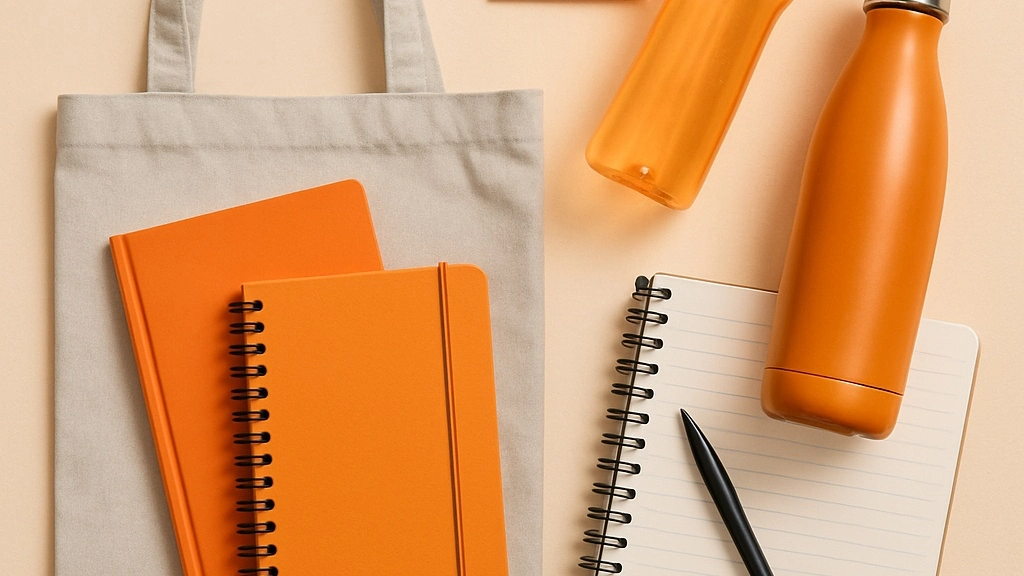
In a world where we are bombarded by thousands of digital ads every single day, the physical world has become the new frontier for meaningful connection. Think about the last time you received well-designed, high-quality promotional gifts from a brand. Perhaps it was a sleek notebook or a thermal mug that actually kept your coffee hot. You didn’t just look at it; you felt it, used it, and, most importantly, remembered who gave it to you.
Choosing the right promotional materials, marketing materials, and promotional items isn’t about slapping your logo on cheap plastic trinkets. It’s about creating a “handshake” that lasts. This guide will walk you through the strategic selection of physical assets that cut through the digital noise and turn casual observers into loyal brand advocates.
The Power of Physical Touchpoints in a Digital World
Digital marketing is fleeting. A social media post lives for a few hours; a Google search result is clicked and forgotten. But a physical object occupies a permanent space in a person’s life. It sits on their desk, hangs in their closet, or travels in their bag.
Physical touchpoints engage more of the senses. When a customer feels the weight of a premium pen or the texture of an organic cotton tote, they are forming a neural connection with your brand that a flickering screen simply cannot replicate. This “haptic memory” is a psychological shortcut to brand loyalty. In an era of pixels, the most revolutionary thing a business can do is offer something tangible as part of its marketing tools.
Why Promotional Materials Still Matter for Brand Awareness
Despite the rise of Metaverse offices and AI-driven ads, the promotional product industry continues to thrive for two foundational reasons: memory and mathematics.
Tangibility and Recall
Studies by the Promotional Products Association International (PPAI) consistently show that nearly 90% of people can remember the name of a brand on a promotional product they received in the past 24 months. Compare that to the recall rate of a YouTube pre-roll ad, which most people skip within five seconds. Because these items are useful, they stay within the user’s line of sight, turning your brand into a familiar presence rather than an intrusive interruption.
Low Cost-Per-Impression
When you calculate the ROI of promotional products, the results can be impressive. A quality branded T-shirt worn regularly over several years may generate thousands of brand impressions, often resulting in a very low cost per impression. Unlike many digital advertising campaigns, which stop generating visibility once the budget is exhausted, a promotional product can continue building brand exposure for as long as it remains in use. Beyond advertising, promotional merchandise also creates a tangible connection with recipients by providing something useful and memorable.
The Top 10 Promotional Products for Lasting Brand Impact
Success in promotional marketing comes down to one word: utility. If it isn’t useful, it’s trash. To ensure your brand stays in the hands of your customers, focus on these ten high-impact categories of branded products, promo products, and promotional merchandise.
1. Custom High-Quality Apparel
Gone are the days of the “boxy,” scratchy promotional tee. Today’s winners are high-performance fabrics, modern cuts, and subtle branding. Think of a premium hoodie or a moisture-wicking polo that someone would actually choose to wear on a Saturday morning. When you provide apparel and high-quality branded merchandise that fits well and looks stylish, your customers become walking billboards for your brand.
2. Functional Tech Accessories
In our multi-device lives, anything that helps manage our tech is gold. Webcam covers, high-speed charging cables, or magnetic phone mounts for cars are highly valued because they solve everyday frustrations. Because these items are used frequently throughout the workdays, your brand becomes associated with productivity and convenience.
3. Sustainable Drinkware
The “Stanley cup” craze has proven that drinkware is a status symbol. Providing a vacuum-insulated, stainless steel water bottle or high-quality drink bottles like a ceramic-lined travel mug is a powerful move. Not only does this type of product stay in use for years, but it also signals that your brand values sustainability by reducing the need for single-use plastics.
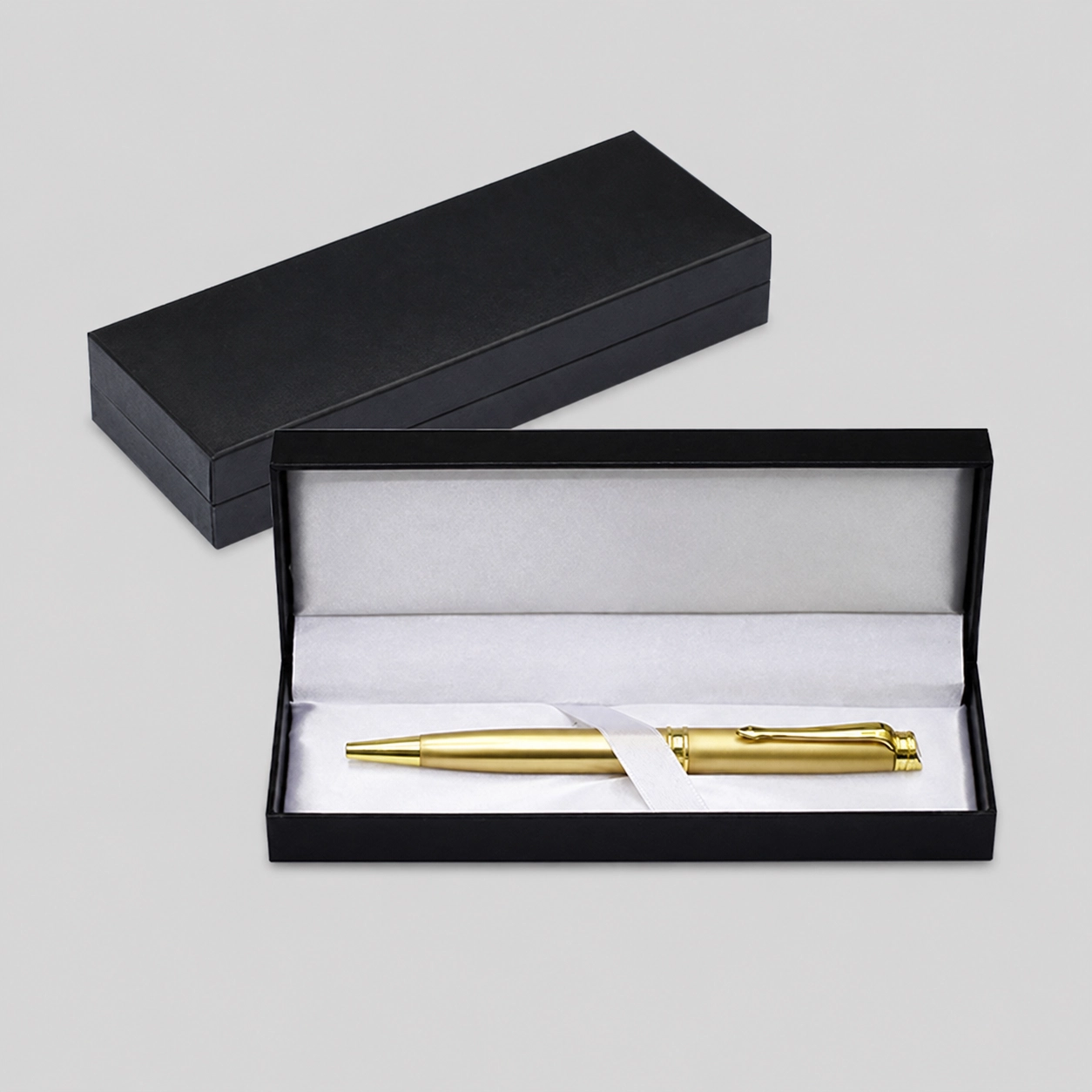
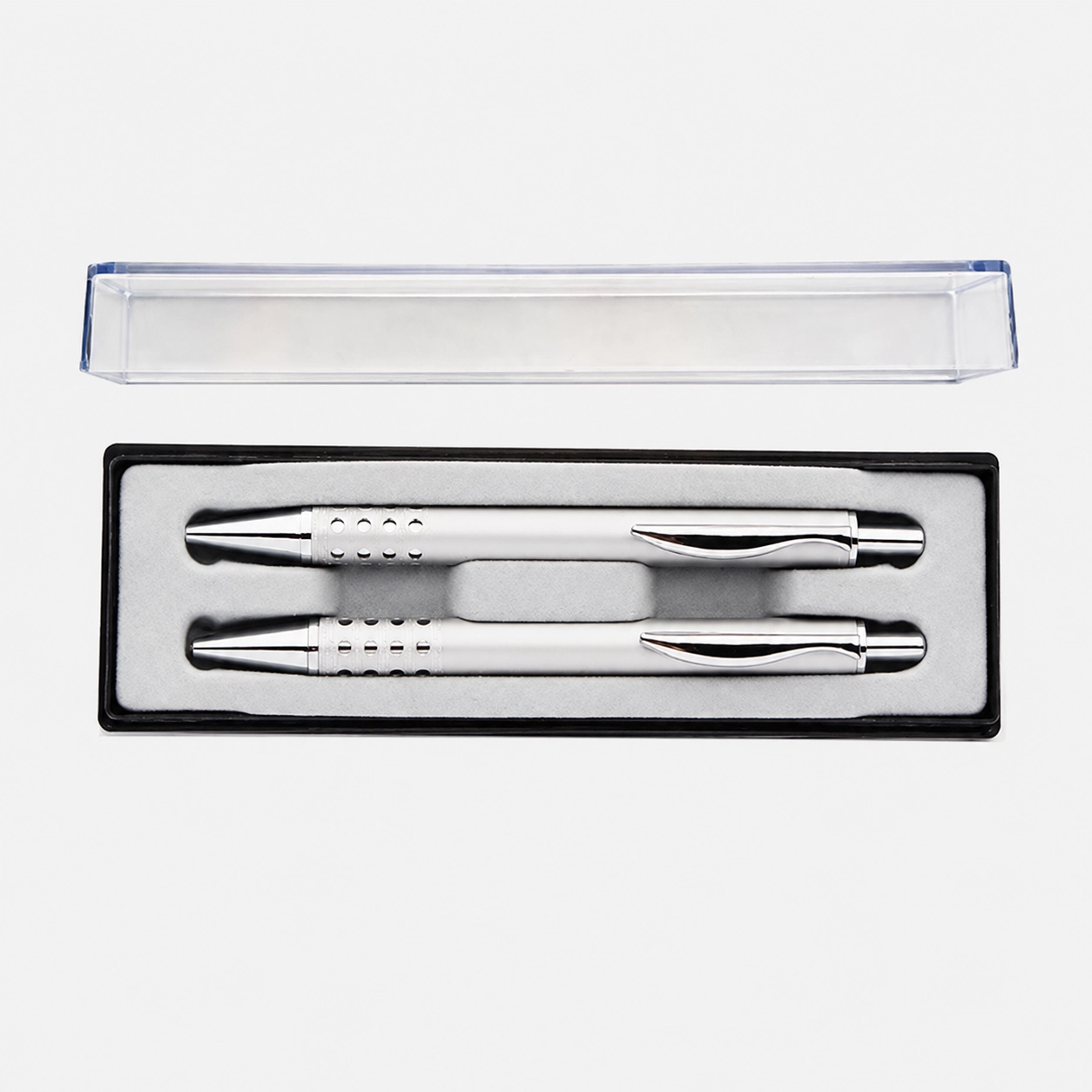
4. Premium Writing Instruments
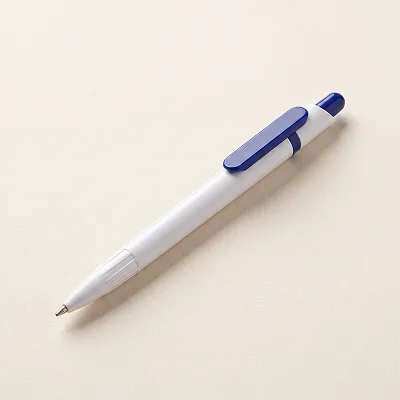
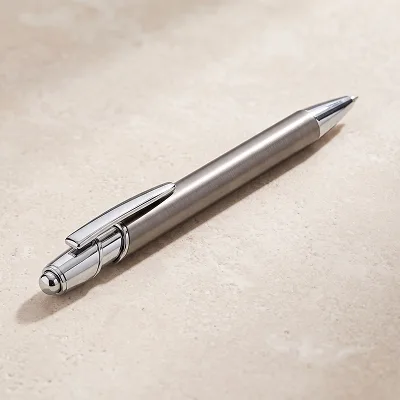
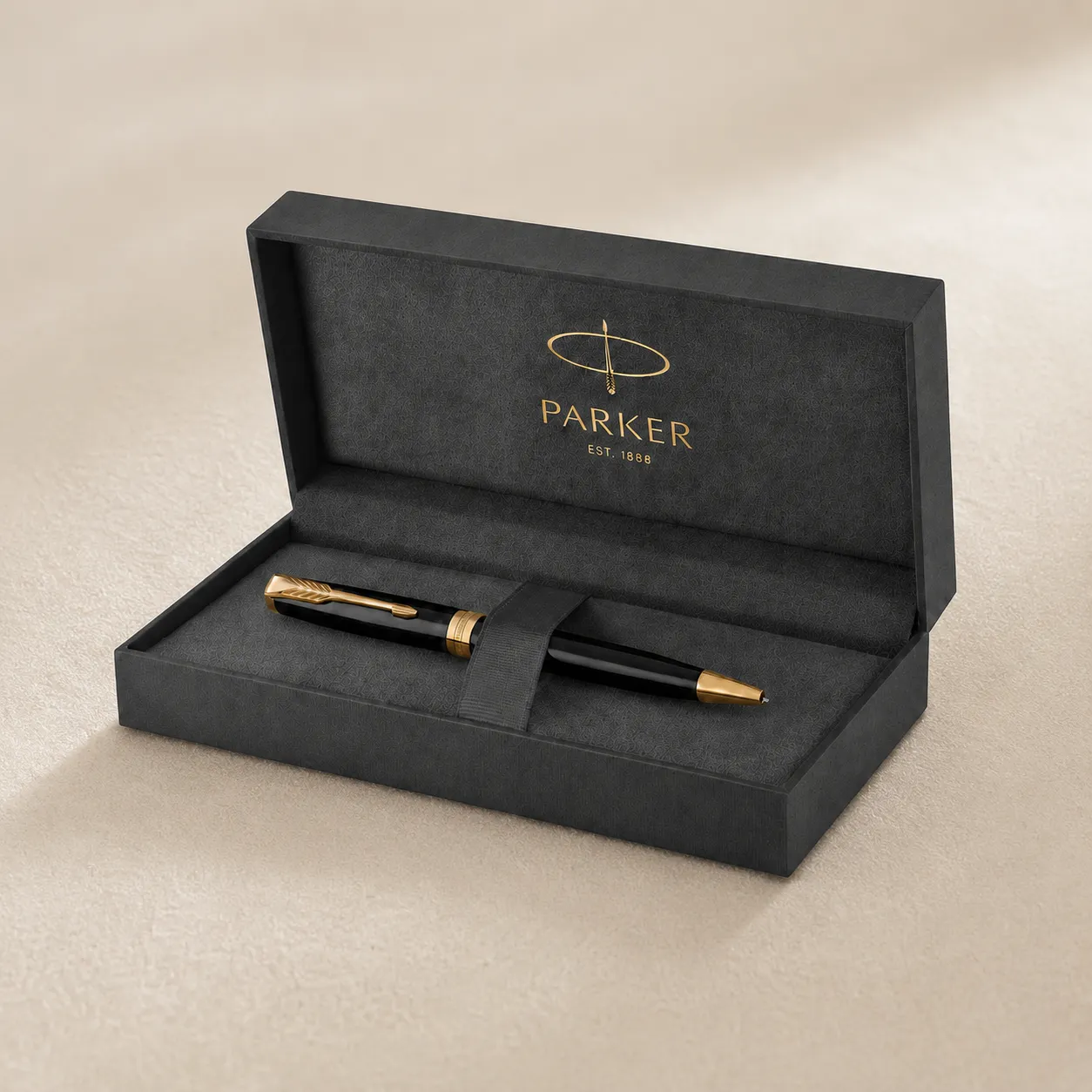
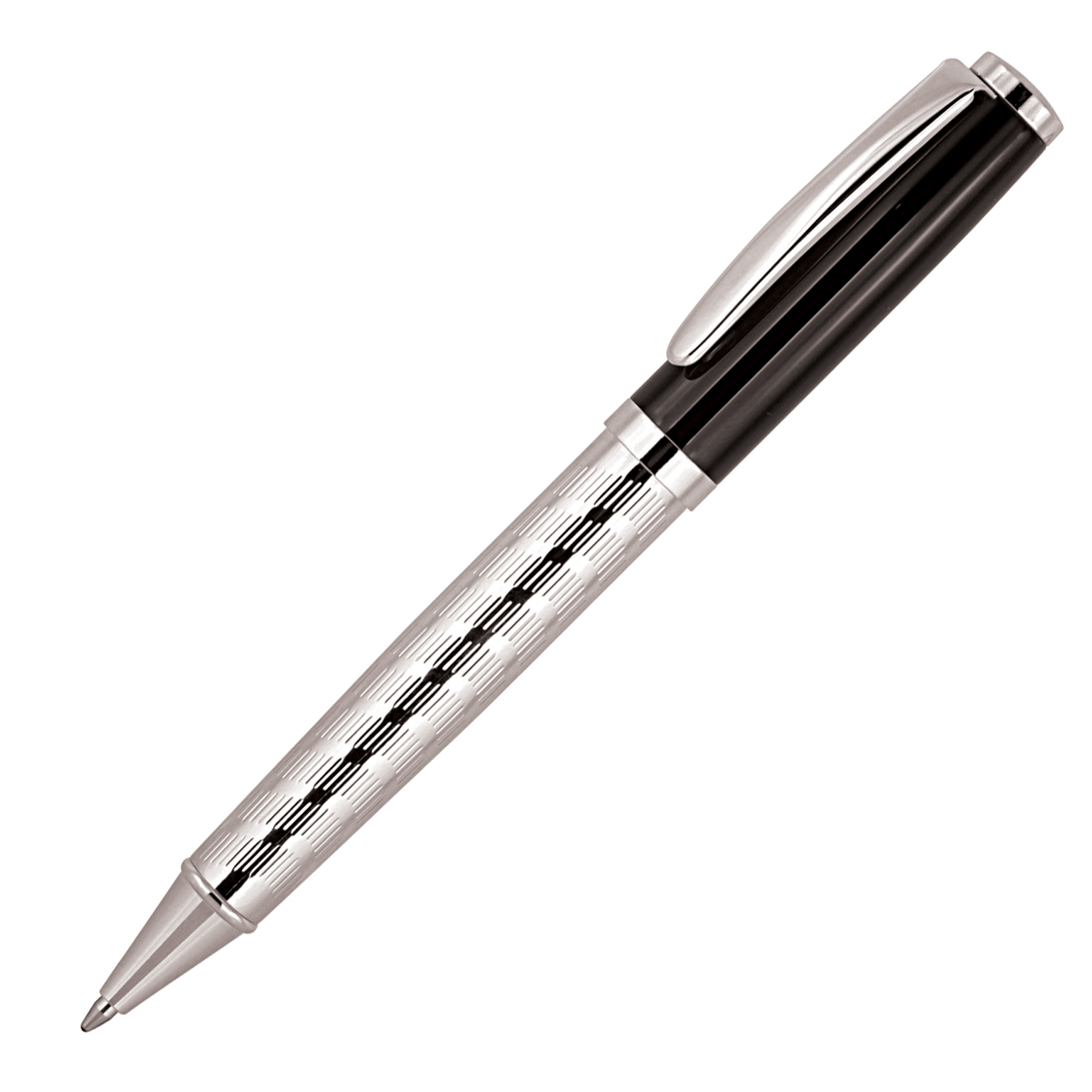
While a low-cost plastic pen will be lost in a week, a heavy, metal-bodied rollerball pen with a smooth ink flow will be guarded like a treasure. A premium pen is a classic for a reason: it conveys a sense of professionalism and detail-oriented care. Every time your client signs a contract with branded pens, takes notes in a meeting, or exchanges business cards, they are holding your brand’s commitment to quality.
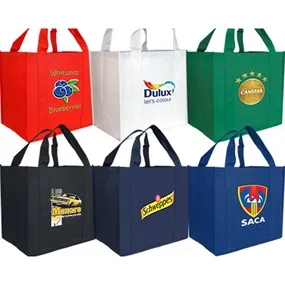
5. Eco-Friendly Tote Bags
Tote bags have evolved from simple grocery carriers to fashion statements. By opting for heavy-duty canvas, recycled cotton, or even jute, you create a durable item that replaces plastic bags at the market, the beach, or the library. Large, clean surface areas provide the perfect “canvas” for eye-catching designs that spark conversations.
6. Custom Notebooks and Stationery
Despite our digital calendars, the act of writing things down is experiencing a massive resurgence. A hardcover notebook with a soft-touch finish, an elastic closure, and high-gsm paper is a gift that implies thoughtfulness. It’s a place where your customers will store their ideas, dreams, and plans, positioning your brand as a partner in their personal growth.
7. Wellness and Self-Care Kits
Post-pandemic, the world has shifted its focus toward mental and physical health. Branded yoga mats, high-quality lip balms, or essential oil diffusers show that your brand cares about the person, not just the transaction. These items are often used during “me time,” creating a positive, relaxed emotional association with your business.
8. Unique Desk Organisers
Since many people now split time between home and the office, organisation is a major pain point. A felt desk pad, a wooden docking station for a watch and phone, or a minimalist cable organiser helps declutter a workspace. When you help a customer find “zen” in their workspace, your brand becomes part of their daily routine.
9. Branded Power Banks and Chargers
Low-battery anxiety is real. Being the brand that “saves the day” when a customer’s phone is at 2% is a powerful psychological win. Compact, high-capacity power banks or sleek wireless charging pads for desks are high-value items that people rarely buy for themselves but use constantly once they own them.
10. High-Utility Tools (Flashlights and Multi-tools)
There is something inherently “giftable” about a sturdy multi-tool or a powerful LED flashlight. These items live in glove boxes and kitchen drawers, waiting for the moment they are needed. By providing a tool that solves a physical problem, you position your brand as reliable, resourceful, and prepared.
How to Choose the Right Materials for Your Specific Audience
The biggest mistake a brand can make is “spraying and praying”, sending out thousands of items without a strategy. To get the most out of your budget, you must curate your selection.
Identify Your Buyer Persona
Who are you trying to reach? A tech startup founder has vastly different needs than a luxury real estate agent. If your audience is outdoorsy, think rugged dry bags or carabiners. If they are corporate executives, think leather-bound journals or high-end tech. The gift should feel like it was chosen specifically for them.
Align with Your Brand Values
If your brand prides itself on being eco-conscious, giving away cheap plastic pens is a disaster; it creates “brand dissonance.” Every physical object you distribute should be a physical manifestation of your mission statement. If you claim to be “premium,” your promotional materials must feel premium.
Consider the Context of Distribution
Where will they get this item? If you are at a trade show where people are walking miles of aisles, a bulky item might be a burden. In that case, a high-quality tote bag (to carry everyone else’s flyers) or a slim power bank is perfect. If you are sending corporate gifts as a “thank you” to a home office, a larger desk accessory or a wellness kit is more appropriate.
Design Best Practices: Moving Beyond the Logo
A common pitfall is making the logo so large and obnoxious that no one wants to use the item. The goal is to create something someone would actually buy in a store.
Focus on Utility Over Advertising
The best promotional materials are “utility-first.” If a t-shirt has a beautiful, artistic graphic on the front and a small, tasteful logo on the back collar, it will be worn. If it has a giant, neon logo across the chest, it becomes a “pyjama shirt” that never leaves the house. Let the design lead, and let the brand follow.
The Importance of Quality Control
One broken zipper or a pen that leaks can do more damage to your reputation than having no promotional materials at all. Always order samples before a bulk run. Test the durability. If you wouldn’t use it yourself, don’t give it to a customer.
Consistency Across Different Mediums
Your brand’s colour palette and typography should remain consistent, but they must be adapted for the medium. A logo that looks great on a website might need to be simplified for embroidery on a hat or laser engraving on a bottle. Work with a designer to create “simplified” versions of your assets specifically for physical production.
Measuring the ROI of Your Promotional Campaign
Marketing traditionalists often complain that physical goods are “untrackable.” That is no longer true. With a bit of creativity, you can see exactly how much revenue your swag is generating.
Trackable QR Codes and URLs
Include a custom QR code on the packaging or the item itself. This could lead to a hidden “thank you” page on your website, a special discount code, or a video message. By using a unique URL (e.g., yoursite.com/gift), you can track exactly how many people engaged with the physical product.
Social Media Mentions and User-Generated Content
High-quality, “Instagrammable” products naturally encourage people to share. Create a custom hashtag for your marketing campaign and print it on the item. Monitoring these mentions gives you a qualitative look at how your audience is reacting to your brand in the wild.
Post-Event Lead Conversion Rates
If you distribute materials at a specific event, track the conversion rate of those specific leads compared to leads from other sources. Often, you will find that the “warmth” of the lead, their willingness to take a meeting, is significantly higher because the physical gift broke the ice.
Final Thoughts: Quality Over Quantity
If you have a limited budget, it is often better to invest in higher-quality items for a smaller group than to distribute large quantities of low-cost items that are quickly forgotten or discarded.
Promotional materials are an extension of your brand’s personality. When you choose items that are useful, sustainable, and beautifully designed, you aren’t just giving away “stuff”; you are building a relationship. In the digital age, being the brand that provides something real, something helpful, and something lasting is the ultimate competitive advantage. Choose wisely, design with the user in mind, and watch your brand awareness turn into brand affinity.
Ready to choose promotional materials that keep your brand visible long after the first interaction? Explore practical, custom-branded options from About Pens and find affordable pens, bags, notepads, and business giveaways that your customers will actually use.